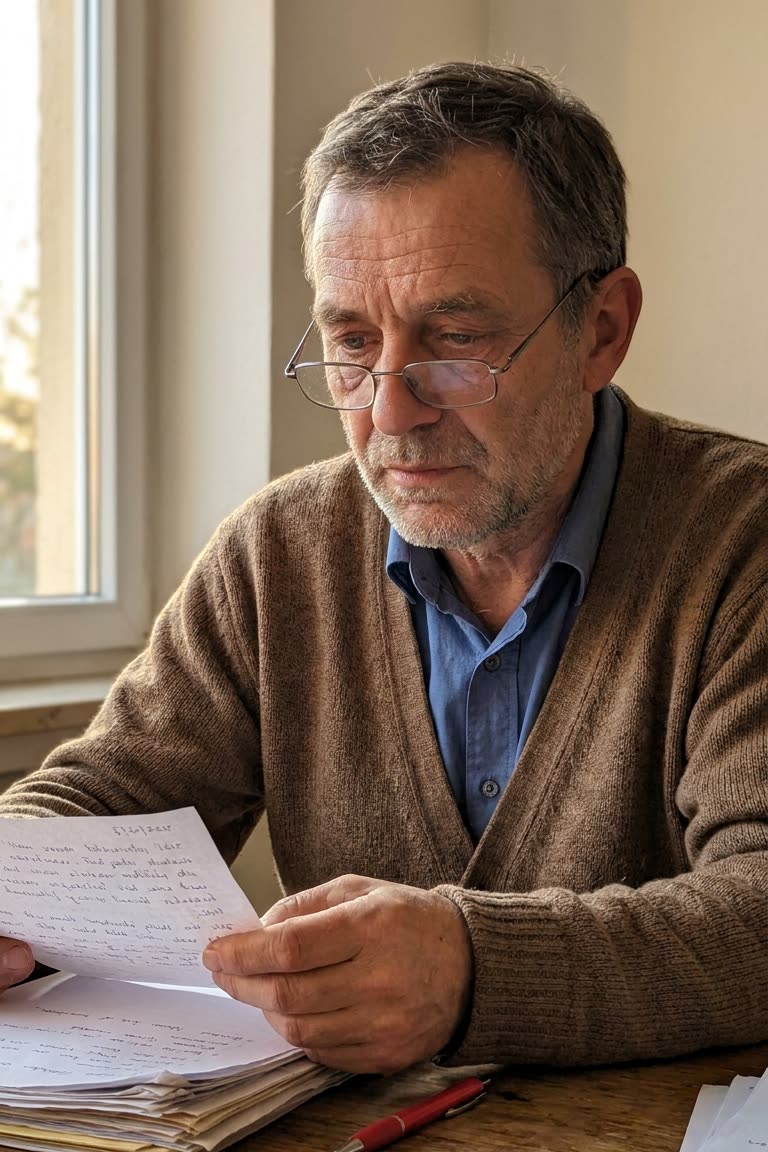


Dear retake, it’s over.
“Finally. What a beautiful ending.”Der Prüfer, after 10,000 letters
“One paragraph per Leitpunkt. That’s all it takes.”Die Coachin
GoetheCoach presents
Der PrüferReal Goethe letter mistakes, explained with humour
Was für ein schöner Schluss.
#wasfüreinschönerschlussStarring Der Prüfer · Die Coachin · and Herr Müller as the recipient
7 parts about the mistakes every examiner knows · Screenplay: your mistakes · In German
Also on Instagram
Official trailer
In a world where every letter starts with „Liebe Herr Müller“ …
Invented characters, real mistakes · in German · also on YouTube · not affiliated with the Goethe-Institut
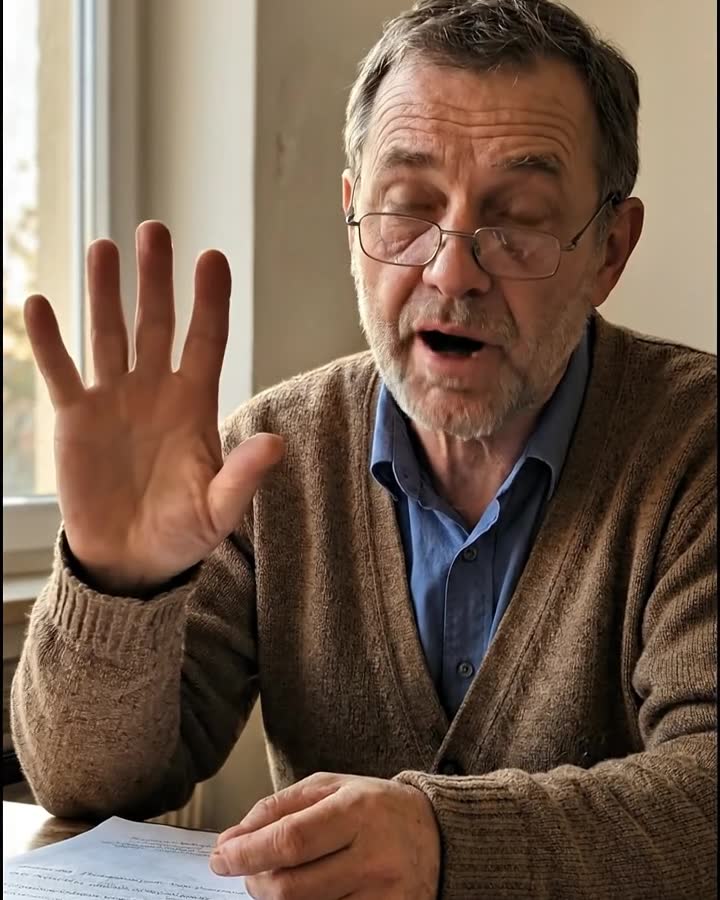
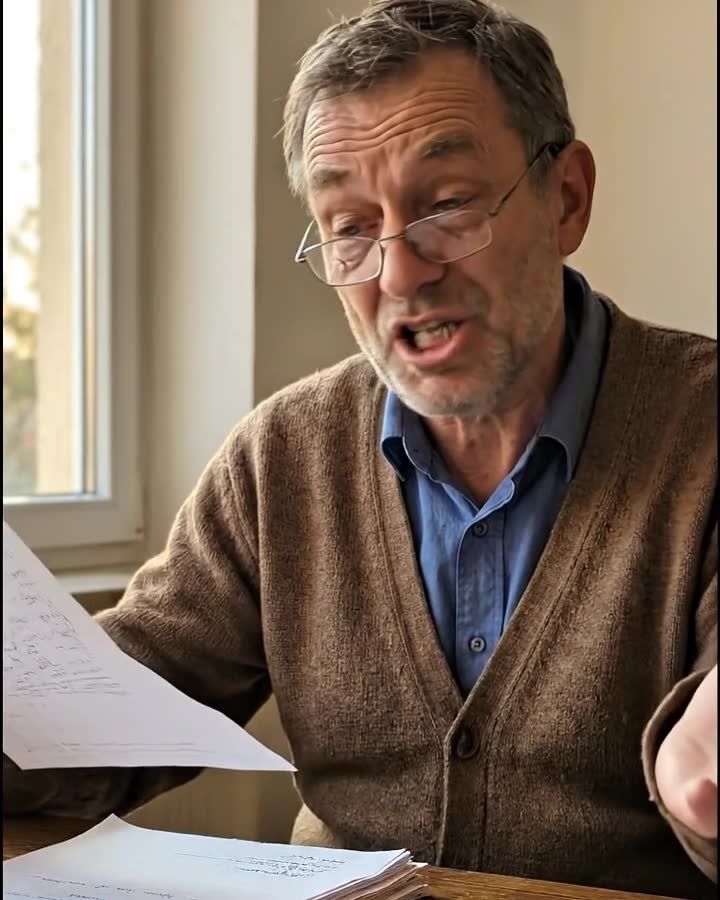
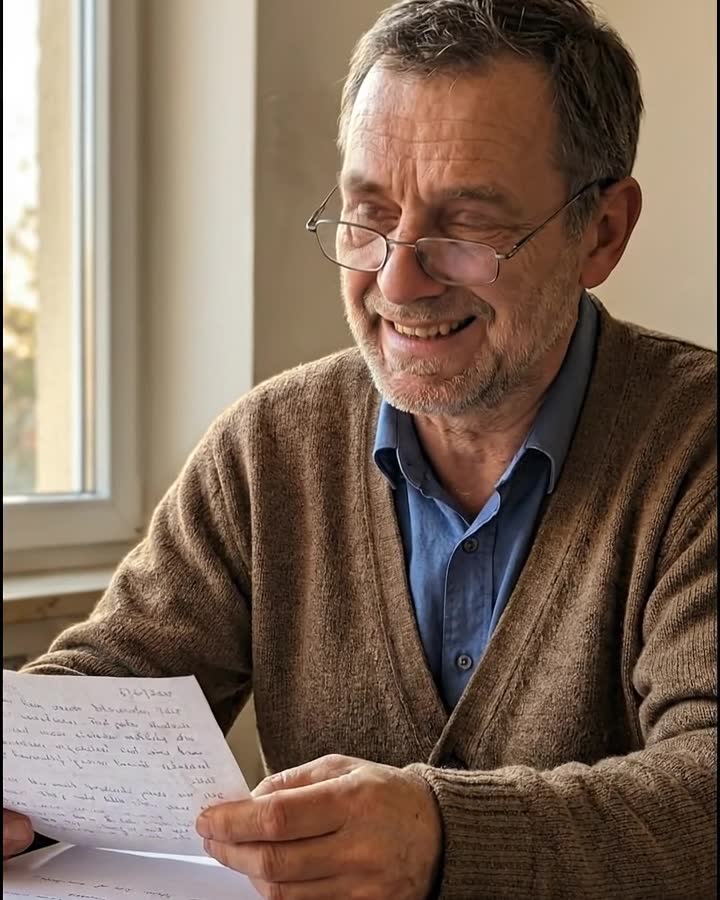
Der Prüfer
He reads. He sighs.
Twenty years of the same sentences. Until one arrives that he has been waiting for.
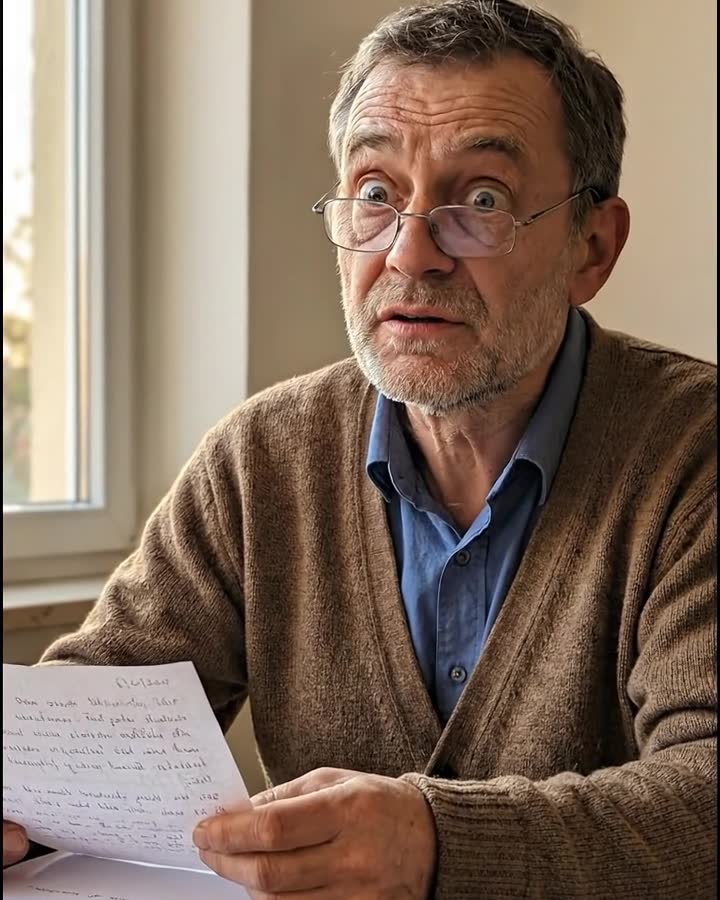
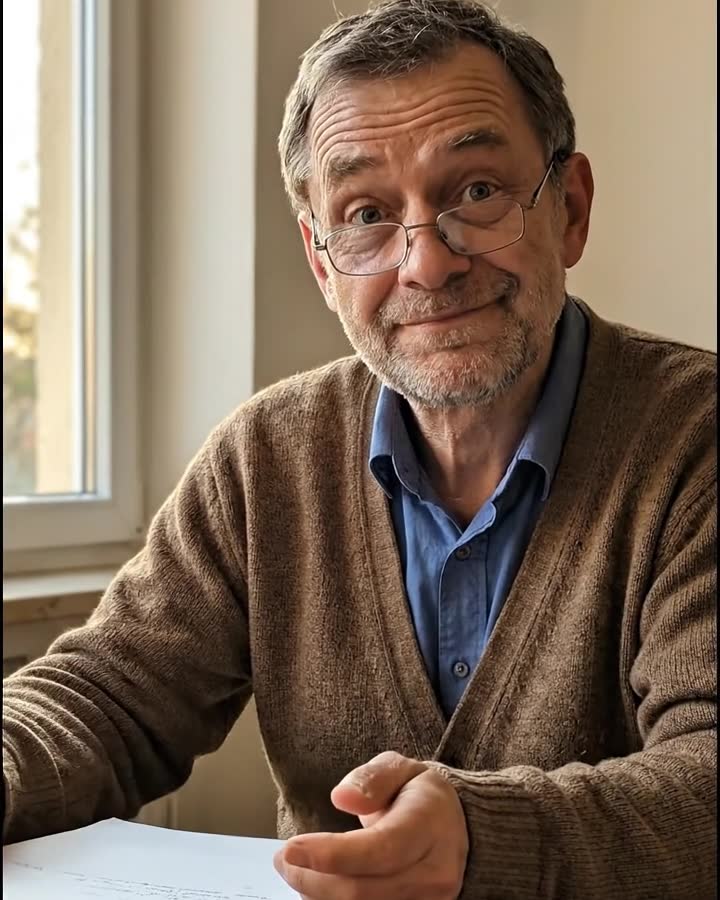

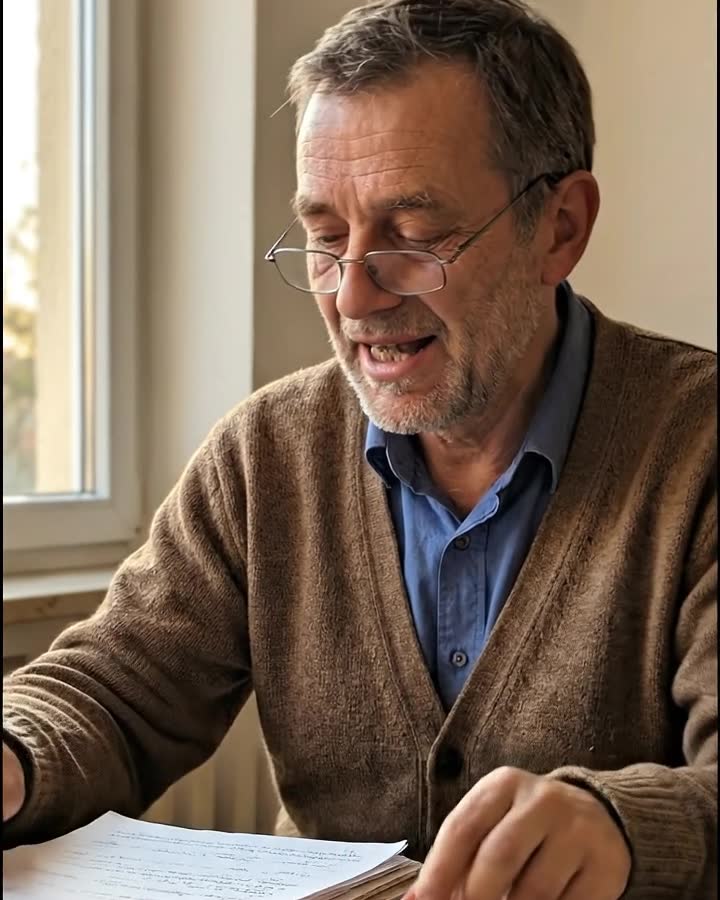
-
POV: Der Prüfer liest deinen Brief 😬✍️ Welcher Fehler tut am meisten weh? 👇
Open on TikTok → -
Teil 2/7 · Der Ton: Sie oder du? Der Prüfer merkt es sofort 😬
Open on TikTok → -
Teil 3/7 · Die Satzstellung: Wo steht das Verb? Der Prüfer weiß es. Du auch? 😬
Open on TikTok →
Playing a video loads it from TikTok; TikTok's privacy rules apply.
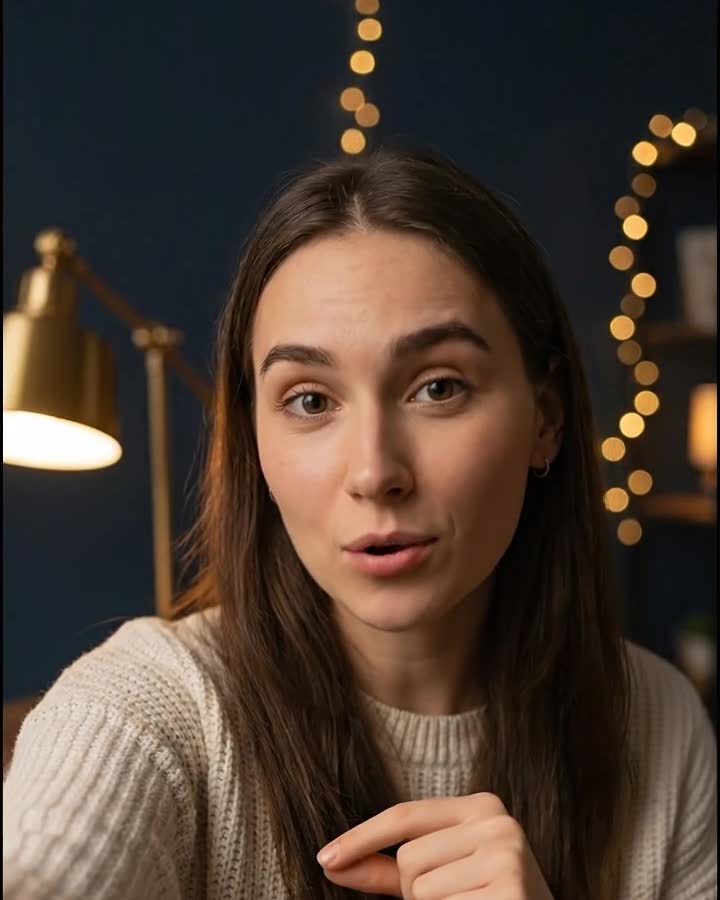
Die Coachin
She explains before he sighs.
Red flags, green flags and the one sentence every formal letter needs.


-
Wie weit bist du wirklich von deinem Goethe-Zertifikat entfernt? 👀 So startest du …
Open on TikTok → -
Gleicher Text, 5× von ChatGPT bewertet: 5× „bestanden“, 5× „alle Leitpunkte behandelt“. …
Open on TikTok → -
Welche App bringt dich wirklich durch die Goethe-Prüfung? 🤔 Unsere ehrliche Tier List …
Open on TikTok →
Playing a video loads it from TikTok; TikTok's privacy rules apply.
Season 2 is written by you. Comment with #wasfüreinschönerschluss: maybe he reads your sentence next.
Follow on TikTok Watch on YouTubeDer Prüfer · your letter
What does the Prüfer really think of your letter?
Paste your Goethe letter (in German). He tells you honestly what he notices first: with humour, no points. He answers in German, of course. You can share his answer as an image.
He waits.
„Na? Ich habe Zeit. Ich habe immer Zeit.“
Season 1 · Schluss-Set
Six closing lines for your Goethe letter
Every part ends with a sentence the Prüfer loves to read. Here they all are: copy, paste into your letter, done.
-
formal from part 1
„Ich würde mich über eine baldige Antwort freuen. Mit freundlichen Grüßen“
-
personal, to friends from part 2
„Ich freue mich schon auf deine Antwort! Liebe Grüße“
-
the verb right, twice from part 3
„Deshalb hoffe ich, dass wir bald eine Lösung finden.“
-
formal, with a request from part 4
„Vielen Dank im Voraus für Ihre Hilfe.“
-
formal from part 5
„Für Rückfragen stehe ich Ihnen gern zur Verfügung.“
-
forum post from part 6
„Insgesamt finde ich, dass … Wie seht ihr das?“
And always The sign-off matches the salutation: Sehr geehrte … → Mit freundlichen Grüßen · Liebe/Lieber … → Liebe Grüße
The mistakes from all 7 parts
Part 1 The Classic
- Liebe Herr MüllerLieber Herr Müller (the ending follows the person)
- Weil ich habe ein Problemweil ich ein Problem habe (verb at the end after weil)
- Hallo Leute (to a company)Sehr geehrte Damen und Herren
Watch: TikTok
Part 2 The Tone
Part 3 Word Order
Part 4 The Dative
- mit meinem Freundinmit meiner Freundin
- Ich gehe zu Hausenach Hause (direction) · zu Hause (place)
- seit zwei Jahreseit zwei Jahren (dative plural: + n)
Video coming soon
Part 5 The Leitpunkte
- Copying the task word for wordin your own words
- Information nobody asked forevery Leitpunkt gets 1–2 sentences
- „Hallo, ich komme nicht, tschüss“a letter with salutation, reason and closing
Video coming soon
Part 6 The Forum Post
- 5× „Meiner Meinung nach“vary it: Ich finde … · Ich bin der Meinung, dass … · Für mich ist …
- „In meinem Heimatland …“ in every postonly when it fits the question
- „Zusammenfassend …“ after 60 wordsfirst the points, then the conclusion
Video coming soon
Part 7 The Final Boss
- Hochachtungsvoll, dein Tobione tone: Mit freundlichen Grüßen or Liebe Grüße
- Ein kleines Giftein kleines Geschenk (Gift means poison)
- Ich schreibe Ihnen, weil ich Ihnen schreibeIch schreibe Ihnen, weil … (a real reason)
Video coming soon
Behind the series
Invented characters. Real mistakes.
Der Prüfer is made up. What he reads is not.
The mistakes are real
Every scene is based on mistakes that keep coming up in Goethe practice texts at GoetheCoach. In our analysis, nearly one in three texts missed at least one Leitpunkt; in the B2 and C1 forum post, two in three did. See the analysis
Corrected by the Goethe criteria
Every correction follows the four criteria in the writing module: task completion (Erfüllung), coherence (Kohärenz), vocabulary (Wortschatz) and structures (Strukturen). It shows what costs points in the exam, not what merely sounds unusual.
Every part gives you something to keep
Three corrections and a ready closing line per part. After 7 parts you have a Schluss-Set for the formal letter, the personal e-mail and the forum post. To the Schluss-Set
How the series is made
The choice of mistakes, the script and the corrections come from the GoetheCoach team; the characters and images are AI-generated. The videos are in German. Season 1: 7 parts, 23 short clips with the coach and a trailer.
Seriously now
So your ending turns out beautiful.
- Failed the Goethe exam? What to do nextRetake only the module you failed: the plan up to the resit.
- The most common mistakes in Goethe writingThe mistakes from the series, with the rule and an example.
- Understand your Goethe certificateWhat your points per module mean, in 60 seconds.
- How to prepare for the Goethe examExam date, weekly goals, feedback: how practice becomes preparation.
Questions about the Goethe exam
A good Goethe letter, the most common mistakes, getting better and what comes after a fail: short answers.
Failed?
Failed the Goethe exam: what now?
Read first, then book. Your result lists every module (Reading, Listening, Writing, Speaking) with its points. A module is passed from 60 out of 100 points.
Check which module is missing and how close it was. Then plan your preparation for exactly that module. The full plan: Failed the Goethe exam?.
Do I have to retake the whole exam?
At B1, B2 and C1, no. The Goethe-Zertifikat is a modular exam at these levels: you only retake the module that stayed under 60 points, for example just Writing. A1 and A2 are taken again as a whole.
How much time do I need before the next attempt?
Just under 60 points and a clear cause (a forgotten Leitpunkt, for example): a few weeks of focused practice are often enough. Well below: plan in months rather than weeks.
The rhythm matters more than the time: write texts every week, get feedback, improve. Study plan up to the exam.
Getting better
How do I improve my writing before the retake?
Write real exam tasks under time pressure, one or two a week. Have every text rated by the four Goethe criteria, not just for grammar.
Keep a list of your own mistakes and rewrite weak texts. If you know your three most common mistakes, you lose far fewer points in the exam.
Is it enough to memorise model letters?
No. A memorised letter almost never fits the task exactly, and examiners recognise it. Then Leitpunkte are missing or the tone is wrong, and that costs points for task completion (Erfüllung).
Learn building blocks instead: salutation, opening, transitions, closing line and sign-off. Write the content new for every task.
Can I practise Goethe writing with AI?
Yes, but check the rating. General chatbots often rate exam texts too generously: they miss missing Leitpunkte and guess the word count. Why AI ratings are too kind.
Good AI feedback rates by the four Goethe criteria and shows you which Leitpunkt is missing.
How to write a good Goethe letter
How do I structure a Goethe letter?
Plan for two minutes: tick off the Leitpunkte, decide on the tone (du or Sie). Then: salutation, one sentence on why you are writing, one paragraph per Leitpunkt, a closing line, a sign-off that matches the salutation.
Check for three minutes at the end: are all Leitpunkte there? Do salutation and sign-off match? Is the verb in the right place?
How do I end a formal German letter?
With a closing line and a sign-off that matches the salutation. The classic for formal letters: „Ich würde mich über eine baldige Antwort freuen. Mit freundlichen Grüßen“ (I look forward to your reply). With a request: „Vielen Dank im Voraus für Ihre Hilfe.“ (Thank you in advance for your help.)
No „LG“, no „Hochachtungsvoll“ and no „dein Tobi“ under a Sie letter: salutation, tone and sign-off stay the same to the end.
Liebe or Lieber Herr Müller?
„Lieber Herr Müller“, „Liebe Frau Weber“: the ending follows the person. For formal letters to strangers or a company: „Sehr geehrter Herr Müller“, „Sehr geehrte Frau Weber“ or „Sehr geehrte Damen und Herren“.
Du or Sie in the Goethe letter?
The task decides: you say du to friends and family, Sie to a landlady, a boss or a company. Decide at the start and stick with it, including „Ihnen/dir“, „Ihr/dein“ and the sign-off.
How many words do I have to write?
B1 (60 minutes): a personal e-mail of about 80 words, a forum post with your opinion of about 80 words and a short formal e-mail of about 40 words.
B2 (75 minutes): a forum post of at least 150 words and a message of at least 100 words. B1 writing · B2 writing.
Which Redemittel are really worth learning?
A few that you know well, and that you vary. For the formal ending: „Ich würde mich über eine baldige Antwort freuen.“ For your opinion: „Meiner Meinung nach …“, „Ich finde …“, „Für mich ist klar, dass …“.
For structure: „einerseits … andererseits“, „außerdem“, „deshalb“. One connector per thought is enough. Redemittel and connectors.
Common mistakes
Which mistakes cost the most points?
A missing Leitpunkt. In our analysis of practice texts, nearly one in three texts missed at least one. Next come the wrong tone (du instead of Sie, „Hallo Leute“ to a company) and word order (the verb after „weil“ and „deshalb“).
The most common mistakes in Goethe writing · Leitpunkte and lost points.
Which closing lines can I use in the Goethe letter?
- formal„Ich würde mich über eine baldige Antwort freuen. Mit freundlichen Grüßen“
- personal, to friends„Ich freue mich schon auf deine Antwort! Liebe Grüße“
- the verb right, twice„Deshalb hoffe ich, dass wir bald eine Lösung finden.“
- formal, with a request„Vielen Dank im Voraus für Ihre Hilfe.“
- formal„Für Rückfragen stehe ich Ihnen gern zur Verfügung.“
- forum post„Insgesamt finde ich, dass … Wie seht ihr das?“
All closing lines to copy and the mistakes from every part: Schluss-Set.
The series
What is „Der Prüfer“?
A short video series by GoetheCoach about real mistakes in Goethe exam letters, in German. A tired examiner (der Prüfer) reads letters and sighs at the mistakes that keep coming up in practice texts. At the end of every part he finally finds a good sentence: „Ich würde mich über eine baldige Antwort freuen. Was für ein schöner Schluss.“ (What a beautiful ending.)
The coach (die Coachin) explains in her own clips how to get it right. Season 1 has 7 parts. The characters are invented, the mistakes are real. GoetheCoach is not affiliated with the Goethe-Institut.
What does #wasfüreinschönerschluss mean?
„What a beautiful ending“: the Prüfer's line when he finally reads a good closing after a hundred letters, and the series hashtag. Under #wasfüreinschönerschluss we collect closing lines that work in the exam.
Post your best closing line with the hashtag or write it in the comments: the Prüfer reads the best ones in season 2.
Where can I watch the series?
On TikTok and YouTube (playlist „Der Prüfer“), and on Instagram. The videos are in German. The parts come out one after another; which part is already up where is listed with the mistakes from all parts.